Signs of Gluten Sensitivity You Shouldn’t Ignore
What Gluten Sensitivity Really Means
Gluten sensitivity often goes unnoticed because its symptoms can feel vague or disconnected. Many people experience discomfort after eating foods made with wheat, barley, or rye but test negative for celiac disease. This is known as non-celiac gluten sensitivity. It isn’t autoimmune and doesn’t damage the small intestine, yet it can still influence your comfort, energy, and clarity.
If you’ve been wondering whether gluten might be contributing to bloating, fatigue, or digestive changes, understanding the early signs can help you better interpret what your body is trying to communicate.
Gluten Intolerance vs Celiac Disease vs Wheat Allergy: A Simple Breakdown
Although all three conditions relate to how your body responds to gluten or wheat, they work very differently.
Gluten intolerance (also called non-celiac gluten sensitivity) is identified mostly through symptom patterns. People may feel discomfort after eating gluten-containing foods, but they do not experience the autoimmune reaction or intestinal damage seen in celiac disease. Wheat allergy is an immune response to wheat proteins that may trigger quicker reactions such as hives, swelling, or difficulty breathing.
Knowing these distinctions helps you talk with a healthcare provider and make food choices that support your daily well-being.
Chef’s tip: Gluten can appear under names like malt flavoring or modified food starch. Choosing products with clear gluten-free labeling helps remove confusion.
Everyday Signs of Gluten Sensitivity You Might Overlook
Gluten sensitivity rarely shows up as one dramatic symptom. Instead, people notice subtle shifts over time—things that feel easy to brush aside or chalk up to stress. Persistent bloating after meals, sluggish energy, and lingering brain fog are some of the most common experiences. Some also report headaches, mood changes, or skin irritation that seem to appear without a clear pattern.
If you notice you feel off after certain meals—especially ones with breads, pastas, baked goods, or cereals—it may be worth exploring how gluten fits into the picture.
Digestive Symptoms Linked to Gluten: What to Pay Attention To
Digestive discomfort is one of the clearest signals that gluten may not be aligning with your body. People often describe feeling unusually bloated, gassy, or uncomfortable after eating. Others experience cramping, constipation, diarrhea, or nausea that seems to come and go without a predictable pattern.
Since these symptoms can overlap with many other digestive conditions, the key is noticing whether they consistently appear after gluten-containing meals.
Understanding Non-Celiac Gluten Sensitivity
Non-celiac gluten sensitivity sits in a unique space. There is no single test or diagnostic marker, which is why the condition can feel confusing or overlooked. People with gluten sensitivity often experience symptoms that improve when gluten is reduced or removed, even though they do not have celiac disease or a wheat allergy.
Studies highlight that a subset of individuals clearly experiences gluten-related symptoms, even though the medical community is still learning about the exact mechanisms.
When Should You Get Tested for Gluten Intolerance?
Because gluten-related symptoms overlap with many other conditions, speaking with a healthcare provider can offer clarity. You may consider testing if symptoms affect your daily comfort, appear frequently after gluten-containing meals, or run in your family. A provider can guide you through appropriate screenings and help rule out other causes.
Testing helps you make confident decisions rather than guessing or eliminating foods without understanding the full picture.
First Steps to Feeling Better (Without Stress or Restriction)
If you think gluten may be playing a role in how you feel, gentle, manageable steps are often the most helpful. Many people start by keeping a simple food and symptom journal to spot patterns. When certain meals consistently lead to discomfort, that information becomes valuable.
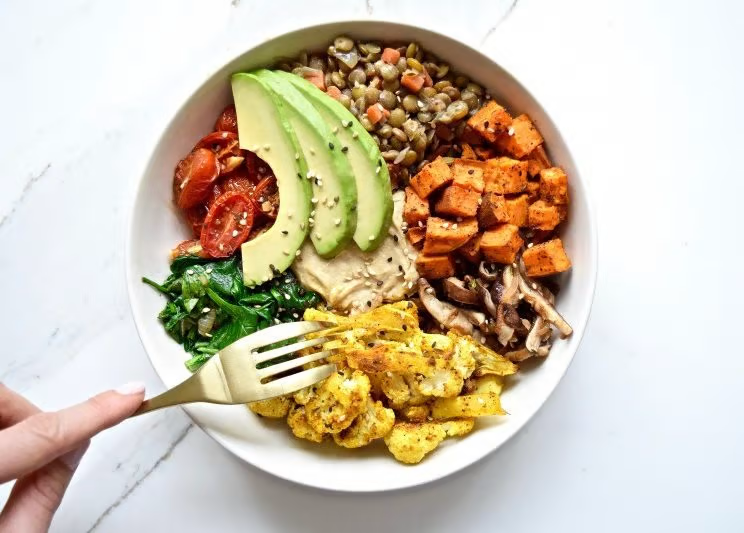
Trying naturally gluten-free meals like rice bowls, potatoes, vegetables, beans, eggs, or lean proteins—can help you understand how your body responds without making your routine feel restrictive. If symptoms continue, checking in with a provider offers the most clarity.
Hungryroot makes experimenting with gluten-free meals easier by offering groceries and recipes that match your preferences. As one customer shared, “Hungryroot has been so convenient for me and a no brainer. Starting a gluten-free diet is overwhelming and this really helped take the guesswork and figuring out gluten-free meals.”