How Anti-Inflammatory Foods Support Gut Health, Energy, and Mood
When inflammation occurs in one area of the body, it can often spread to other parts until it affects the entire body. This is known as systemic inflammation, and it can have a powerful impact on a person’s general wellness, as well as their disposition.
When you have inflammation throughout your body, you’re more susceptible to problems with gut health, energy, and mood. Fortunately, the solution is often as simple as modifying what you put into your body. Here’s what you should know about inflammation and how anti-inflammatory foods can improve your overall well-being.
What Is Inflammation?
Inflammation isn’t the villain of every story. In fact, without a healthy inflammatory response, you might end up dying from a simple cut. The intended purpose of inflammation is to help the body heal from injuries, illnesses, and foreign invaders. When a virus or other intruder enters your body, your immune system kicks into gear by sending out inflammatory cells called cytokines. These cells trigger the inflammatory response to destroy the virus and heal injured tissue.
Inflammation frequently causes symptoms like swelling, redness, heat, and pain in the impacted area. Though unpleasant, these symptoms are a sign the body is doing what it’s supposed to do. However, it’s possible for the body to become “stuck” in an inflammatory state even though there are no foreign invaders to fight. This can happen when you live an unhealthy lifestyle and eat too many processed foods, which are known to contribute to chronic inflammation.
The Health Risks of Inflammatory Foods
Eating a diet high in inflammatory foods can cause you to feel chronically tired, overwhelmed, and not your best self in general. Continuously eating less healthy foods can lead to a variety of unpleasant symptoms and increase your risk of chronic disease. Here’s a quick breakdown of some of the health risks associated with eating foods that cause systemic inflammation:
- Gut dysbiosis (an inflammation-linked bacterial imbalance in the gut)
- Obesity
- Fatty liver disease
- Inflammatory conditions like rheumatoid arthritis
- Heart disease
- Type 2 diabetes
- Alzheimer’s disease
- Inflammatory bowel disease
These are just a few of the health risks associated with eating highly processed, inflammatory foods. Eating these foods doesn’t guarantee that you’ll get any of the conditions above, but it does increase your risk. If you always feel fatigued, keep getting sick and struggle to recover, or find it difficult to maintain a positive mood, your food may be to blame. An anti inflammatory diet plan can soothe systemic swelling and help bring balance to your physical and mental wellness.
Components of an Anti-Inflammatory Diet
Now that you know the potentially harmful effects of a highly processed, nutrient-poor diet, you may be ready to adopt an anti inflammation meal plan. But, how can you know if the foods you’re eating contain inflammation reducing nutrients? Here are some key components to look for in an anti-inflammatory diet:
- Whole foods
- Minimally processed foods
- Fruits and vegetables containing antioxidants like polyphenols and carotenoids
- Foods containing omega-3 fatty acids
The problem many run into is that ultra-processed foods are convenient to grab and go when you’re in a hurry. That’s one reason many people return to these foods, even when they want to eat real food, be healthy, and feel good. Fortunately, making better dietary choices doesn’t have to be as hard as you think. With Hungryroot, you can have the healthy ingredients you need for your anti inflammatory recipes delivered right to your door!
Foods That Fight Inflammation
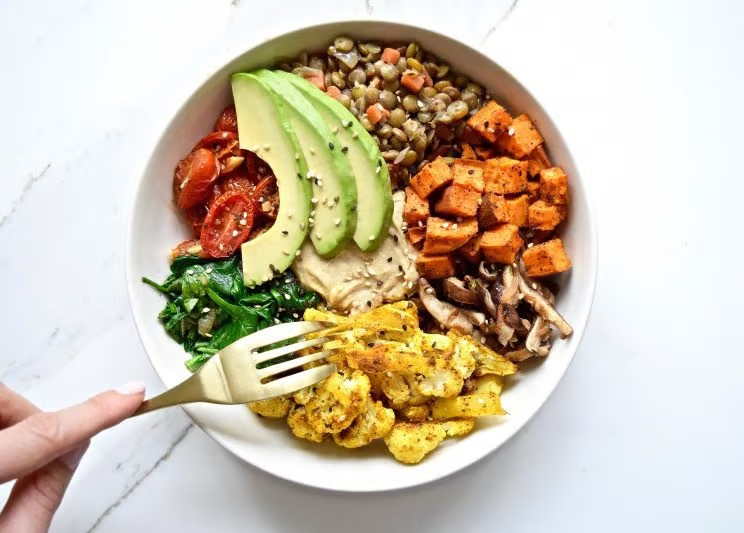
The best anti inflammatory foods are those that contain healthy fats, antioxidants, and other nutrients your body needs to function optimally. If it’s minimally processed, contains no added sugars, and doesn’t have ingredients on the label that you can’t pronounce, it’s probably a healthier choice.
The Mediterranean diet is recommended by many dietitians and nutritionists because it contains foods that calm inflammation. The Mediterranean diet emphasizes whole foods, omega-3-rich fish, olive oil, and whole grain cereals. It also encourages eating very little meat, which can be inflammatory to the gut.
Anti-Inflammatory Foods to Eat
Wondering what foods to add to your anti-inflammatory grocery list? We’re glad you asked! From gut-microbiome friendly foods to energy-boosting anti inflammatory foods, here are some of the best groceries for inflammation:
- Fresh, seasonal vegetables and fruits
- Fatty fish such as salmon, trout, and tuna
- Healthy oils such as olive, avocado, and flaxseed oils
- Nuts and seeds
- Legumes
- Whole grains
- Lean proteins such as chicken breast, turkey breast, cod, and egg whites
- Herbs and spices
Mood-supportive anti inflammatory eating habits can take a while to develop. But with consistency and determination, you can make anti-inflammatory dietary choices an automatic part of your healthy lifestyle. Hungryroot makes it easy with our anti-inflammatory grocery delivery service. You choose the foods and anti inflammatory snacks to buy, and we’ll make sure they get to you quickly and conveniently.
Benefits of Anti-Inflammatory Foods
Anti-inflammatory foods offer a wide range of health benefits, including:
- Improved heart health
- Better mood and decreased anxiety
- Reduction of chronic inflammation
- Enhanced immune function
- Decreased risk of chronic diseases
- Improved health outcomes overall
If you’re ready to start experiencing these benefits, schedule your anti inflammatory food delivery with Hungryroot today. It’s the easiest way to eat healthy and feel your best. As one Trust Pilot reviewer stated, “The food is delicious and the meals are quick and easy to prepare. I really love the grocery selection. I am trying to eat an anti-inflammatory diet, and it’s so easy with Hungryroot!”
Chef’s Tip
To preserve or enhance the anti-inflammatory compounds in foods, try cooking them with water at lower temperatures. For example, quick-steaming vegetables instead of boiling them preserves their sulfur-containing, anti-inflammatory properties.