Signs of Chronic Inflammation and How to Fix It with Food
When Your Body Starts Whispering Instead of Shouting
Signs of chronic inflammation often begin quietly. You might feel more tired than usual, or your digestion may shift in subtle ways that are difficult to pinpoint. Some people notice morning stiffness or an afternoon dip in focus, even when their day has barely begun. These tiny changes often blend into daily life, but together they can signal that your body is looking for steadier support.
Recognizing these signs early helps you understand what your body needs and how food can play a meaningful role in that process. The groceries you bring home influence how your body functions each day, shaping digestion, immunity, mood, and long-term balance.
What Inflammation Actually Is (And Why Your Body Uses It)
Inflammation is part of your body’s natural defense system. When you are sick or injured, inflammation helps you heal. This short-term response is normal and helpful.
Chronic inflammation is different. It continues even when there is no infection or injury present. Over time, this slow and ongoing inflammation can affect digestion, energy, skin health, immune balance, and autoimmune conditions. Researchers often measure chronic inflammation through biomarkers like CRP and IL-6, which reflect the body’s ongoing immune activity.
Diagram Opportunity:
Acute inflammation vs chronic inflammation comparison chart.
When the Switch Stays On: How Chronic Inflammation Begins
Chronic inflammation develops when certain triggers repeat over time, including:
- long-term intake of highly processed or refined foods
- low intake of fruits, vegetables, and fiber rich foods
- minimal omega-3 rich foods
- excess added sugars
- chronic stress
- disrupted gut bacteria
- poor sleep
- autoimmune activity
- exposure to irritants or pollutants
When these stressors show up day after day, your system remains in a low-level state of alert. You may notice digestion feeling more sensitive or your energy fading more quickly than it once did.
Your daily grocery choices also shape how your body responds. A kitchen filled with refined or packaged foods offers fewer nutrients for your body to work with. When your cart includes more colorful produce and nutrient-rich items, you give your system the steady support it needs to stay balanced.
The Red Flags: Subtle Signs Your Body Is Asking for Help
Many signs of chronic inflammation feel small at first, but they become clearer when viewed together. Common symptoms include:
- persistent fatigue
- bloating, discomfort, or irregular digestion
- joint aches or morning stiffness
- skin redness, breakouts, or eczema
- brain fog or slower focus
- frequent colds or slower healing
- changes in mood
- shifts in weight or appetite
When several appear at once, your body may be signaling that it needs a calmer foundation.
Stress, Sleep, and Your Immune System: The Hidden Amplifiers
Chronic stress raises cortisol levels, which can influence gut health, sleep quality, and immune function. When your sleep is inconsistent or stress remains high, your body becomes more sensitive to inflammation triggers. Because much of the immune system lives in the gut, even small digestive changes can affect how you feel day to day.
You might notice that certain meals feel heavier than usual or that your body reacts more strongly to familiar foods during stressful weeks.
Dietitian Insight:
“Stress, sleep, and diet work together. Nourishing, simple foods help create stability, especially when life feels demanding.”
Can Food Really Change This? Here’s the Science
Food plays a direct role in inflammation. The nutrients in whole foods help regulate inflammatory pathways, support gut bacteria, stabilize blood sugar, and protect your cells from oxidative stress. Even gentle shifts can help your body feel more supported.
You do not need extreme detoxes or restrictive cleanses. Research continues to show that steady, nutrient-rich meals make a bigger impact than quick fixes.
The Healing Trio: Omega-3s, Antioxidants, and Fiber
These nutrients consistently support inflammation relief and long-term wellness.
Omega-3 Rich Foods
Omega-3 fatty acids help regulate inflammatory signaling.
Examples: salmon, tuna, sardines, walnuts, flaxseeds, chia seeds.
Antioxidant Rich Foods
Antioxidants act like natural shields for your cells and help support the immune system.
Examples: berries, leafy greens, green tea, cocoa, turmeric, ginger.
Fiber Rich Foods
Fiber feeds beneficial gut bacteria that produce short-chain fatty acids. These compounds support the gut lining and help keep inflammation steady.
Examples: beans, lentils, whole grains, leafy greens, vegetables.
Smart Food Swaps That Calm Inflammation (No Overhaul Needed)
Even small changes can make a noticeable difference in how you feel. Try:
- using quinoa or whole grain pasta to add more fiber
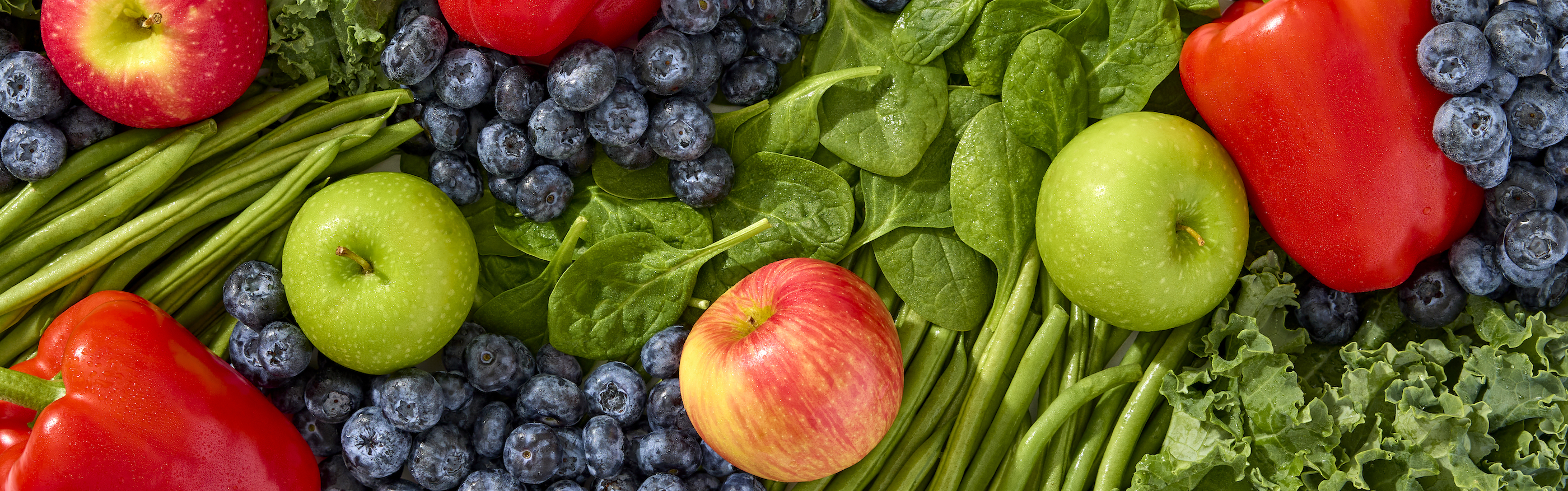
- adding berries or leafy greens to breakfast for extra antioxidants
- choosing salmon, tuna, or bean-based meals for more omega-3s
- tossing chickpeas or lentils onto salads for steady energy
- swapping sugary snacks for nuts, chia pudding, or fruit
- seasoning with turmeric, cinnamon, garlic, or ginger
- drinking green tea instead of sweetened beverages
Something as simple as oatmeal topped with berries, chia seeds, and cinnamon can help you start your morning with steady energy and gentle support for your gut.
One Hungryroot customer shared, “Love Hungryroot. There are delicious meals that are healthy and quick. I have had a lot of gut issues and I have not had them anymore since using this.”
Building Your “Feel Better” Grocery List with Hungryroot
Feeling better begins with what you keep in your kitchen. Hungryroot makes it easy to stock up on some of the best groceries for inflammation, including berries, leafy greens, omega-3 rich proteins, antioxidant rich foods, beans, lentils, and simple snacks that support your goals.
Hungryroot’s personalized suggestions help you choose groceries that match your needs, making anti-inflammatory grocery delivery effortless. Whether you want more gut-friendly vegetables, omega-3 proteins, or fiber-packed pantry staples, you can build a supportive routine without overthinking.
Small Shifts, Big Relief
Understanding the signs of chronic inflammation makes it easier to support your body with foods that help you feel grounded and energized. You do not need dramatic changes. Steady, nourishing choices throughout the week create real, lasting shifts in how you feel.