The Nutrition Science Behind Inflammation: How Food Impacts Your Body
People have been treating food as medicine for centuries. The ancient Greek physician and philosopher, Hippocrates, famously stated, “Let food be thy medicine and medicine be thy food.” Nowadays, society largely regards pharmaceuticals as medicine and food as a source of energy and enjoyment. While food can be both of those things, it can still have a profound impact on the body.
Nutrition science is devoted to studying the relationship between human health and diet. The field represents a convergence of many different disciplines, including food chemistry, biochemistry, genetics, physiology, and data science. Here’s what nutrition science has to say about how food affects inflammation and overall health.
What Is Inflammation and Why Does It Matter?
Have you ever experienced localized redness, tenderness, swelling, and heat at the site of an injury? If so, you’ve experienced a natural physiological process called inflammation. This is the body’s way of healing itself and fighting off infections. Without it, you could suffer serious or even deadly consequences from simple injuries or illnesses.
While a short-term (acute) inflammatory response can be helpful for dealing with immediate threats to health, long-term (chronic) inflammation is another story. Chronic inflammation can result from autoimmune diseases, ongoing infections, or repeated exposure to pollutants and irritants. There is a strong diet and inflammation connection that reveals certain inflammatory foods can lead to chronic inflammation. On the other hand, anti-inflammatory nutrients can calm the inflammation response.
The Link Between Nutrition and Inflammation
The link between nutrition and inflammation levels is well-documented. Studies show that ultra-processed foods like candy, fast food, sweetened cereals, and sugary drinks can cause ongoing low-grade inflammation. However, consuming an anti inflammatory meal plan can do just the opposite by soothing the body’s inflammation response.
So, what’s the big deal with chronic inflammation, anyway? Is it really that harmful to just deal with it in your everyday life? The answer is a resounding “Yes!” Chronic inflammation can increase your risk of developing type 2 diabetes, heart disease, certain cancers, and obesity. It can also decrease your life expectancy and contribute to mental health conditions such as depression and anxiety.
Foods That Can Trigger or Calm Inflammation
Now that you know how food can impact your health, let’s dive into which foods to eat more of and which to avoid. Here’s a brief overview of some of the top inflammation-causing foods and the top inflammation-calming foods.
Inflammation-Causing Foods
There are many different ingredients and meals that can cause chronic swelling and irritation in the body. This is largely due to society’s demand for chemical- and preservative-laden “convenience foods.” Here are some of the top inflammation-causing foods to avoid in your everyday diet:
- Processed meats, such as sausage, fast-food hamburgers, bacon, and hot dogs
- Foods high in processed or artificial sugars, such as sodas, cookies, and candies
- Pre-packaged meals and snacks full of preservatives, trans fats, and artificial flavors and colors
- Foods rich in omega-6 fatty acids, such as sunflower oil, corn oil, canola oil, and mayonnaise
- Refined carbohydrates, such as white pasta, white breads and rolls, sugary cereals, and French fries
In short, foods that are rich in calories and hard-to-pronounce ingredients but poor in nutrients are almost guaranteed to trigger an inflammatory response. It’s best to limit or avoid these foods whenever possible.
Inflammation-Calming Foods
If you’re wondering what ingredients to add to your anti-inflammatory grocery list, here are some of the top inflammation-calming foods:
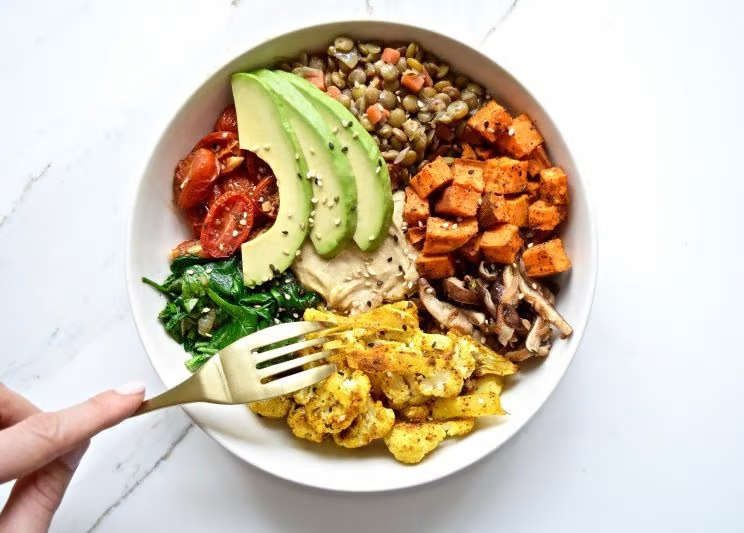
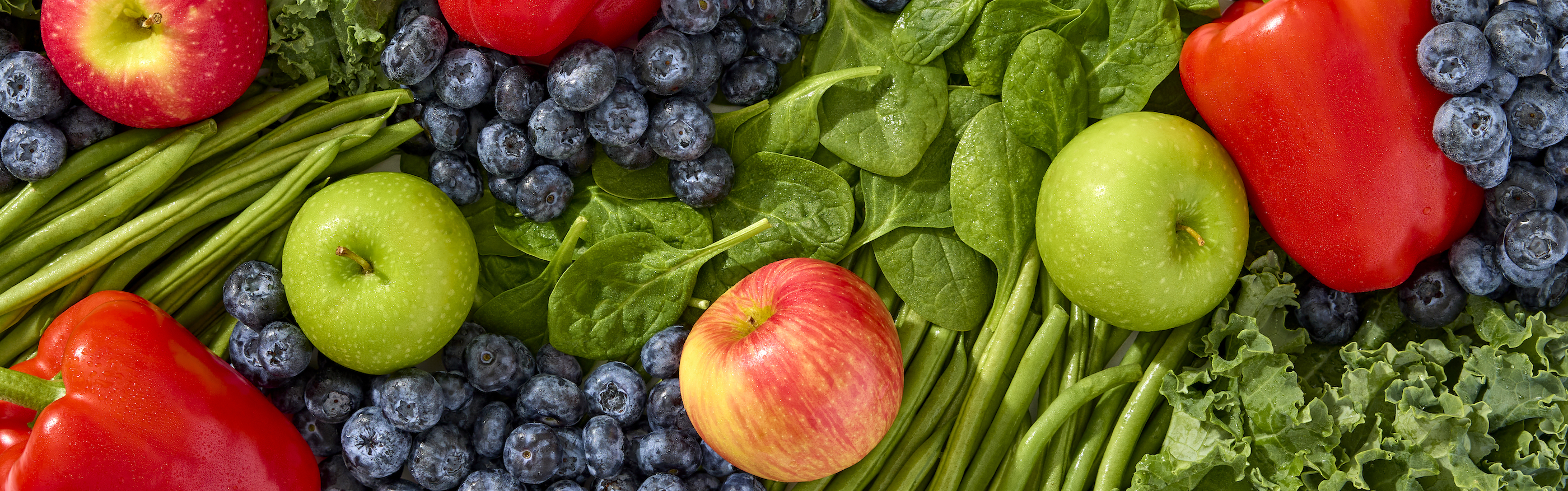
- Vegetables (especially leafy greens)
- Olive oil and other foods rich in omega-3 fatty acids
- Berries and fruits
- Whole grains
- Fatty fish
- Avocados
- Mushrooms
- Turmeric, ginger, and other anti-inflammatory spices and herbs
- Cacao
It’s important to note that some people’s bodies become inflamed after eating certain “healthy” foods. This has more to do with individual gut microbiome health and underlying disease than it does with the food in question. For example, avocados are one of the best anti-inflammatory foods in general, but some people are allergic to them. Therefore, eating them will trigger an inflammatory response. When building your whole food nutrition diet plan, cross out any healthy foods that cause inflammation in your body.
The Role of Gut Health and the Immune System
Your gut microbiome is an ecosystem of microbes that live primarily in the large intestine and play critical roles in immunity, digestion, and overall health. It’s heavily impacted by the foods you eat and can become imbalanced when continuously exposed to inflammatory foods. Studies show that the gut microbiome health is crucial to immune function. Following an anti-inflammatory diet plan can help improve immune function and potentially help the body fight off infections faster.
Applying the Science to Everyday Eating
Hungryroot can help you apply nutrition science to your own dietary guidelines by offering anti-inflammatory grocery delivery services. We have a wide variety of anti inflammatory snacks to buy and groceries to use in your favorite anti inflammatory recipes.
If you need help finding the best groceries for inflammation, visit our “Recipes” page and type “anti-inflammation” in the search bar. You’ll receive many easy and tasty recipes that support your health and wellness needs. Then, choose the recipes and ingredients you want and schedule anti-inflammatory food delivery right to your door. As one Reddit user noted, “I use Hungryroot to help keep to an anti-inflammatory diet and I love all the choices, all the snacks and drinks … I’ve loved almost every meal I’ve had.”
Chef’s Tip
To add flavor to your anti-inflammatory dishes, incorporate anti-inflammatory herbs and spices into your meals. Some of the best spices and herbs to use in your daily cooking include ginger, turmeric, rosemary, and basil.