How to Transition to a Gluten-Free Diet Without Feeling Overwhelmed
You Don’t Have to Change Everything Overnight
If you’re considering going gluten-free, you might be craving less bloating, more steady energy, or a clearer understanding of what your body needs. But the moment you start researching gluten-free living, it’s incredibly easy to feel like you need a brand-new pantry, a new set of rules, and a full-time job reading ingredient labels.
Here’s the reassuring part: the transition doesn’t have to feel overwhelming. When you take small, intentional steps and build habits gradually, going gluten-free becomes far more doable—and surprisingly empowering.
What Going Gluten-Free Really Means (Without Overcomplicating It)
A gluten-free diet removes foods made with wheat, barley, and rye, the three grains that naturally contain gluten. For people with celiac disease, gluten triggers an immune response that damages the small intestine. Others may experience gastrointestinal symptoms such as bloating, abdominal pain, fatigue, or brain fog often tied to gluten intolerance or non-celiac gluten sensitivity.
Understanding this distinction helps you approach your transition with more clarity and less pressure.
Step One: Start With Gluten-Free Foods You Already Love
One of the easiest ways to reduce overwhelm is by focusing on the naturally gluten-free foods already in your routine. These include:
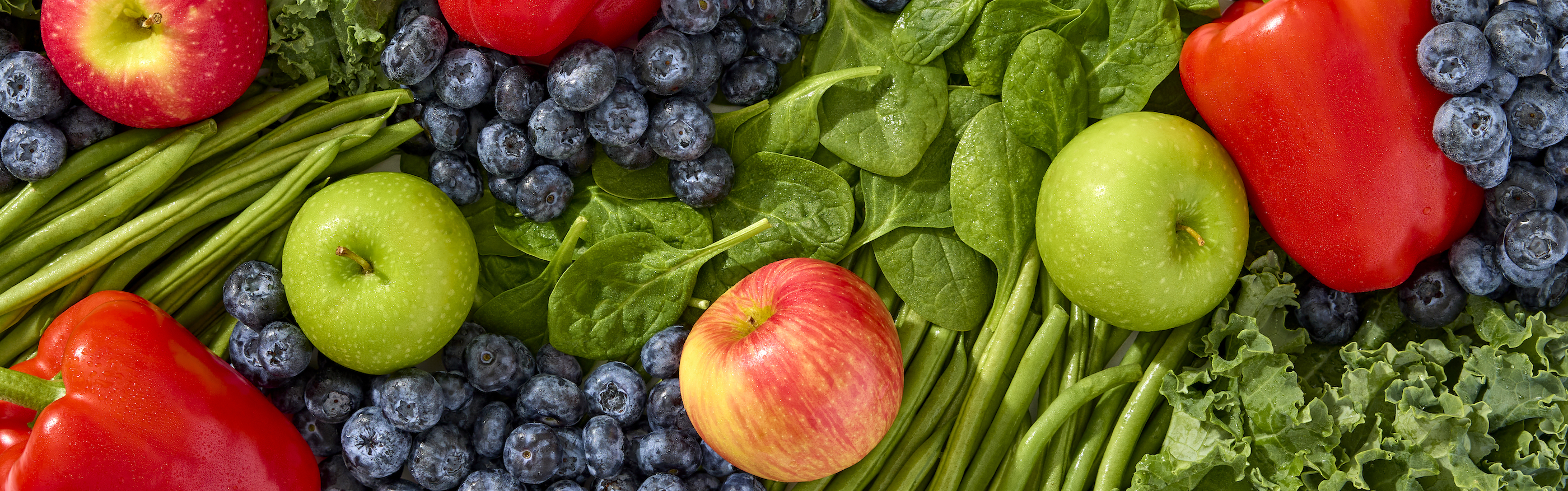
- fruits and vegetables
- eggs, poultry, meat, and fish
- beans, lentils, nuts, and seeds
- dairy products
- gluten-free grains like rice, quinoa, corn, and certified gluten-free oats
Chances are, you’re already eating many of these without trying. Leaning on familiar foods gives you an instant head start.
Step Two: Make Simple Swaps—Not a Total Overhaul
You don’t need to change everything at once. Instead, build your gluten-free routine one swap at a time:
- gluten-free pasta instead of wheat-based pasta
- tamari in place of soy sauce
- gluten-free tortillas or bread
- gluten-free baking mixes
- gluten-free snack alternatives
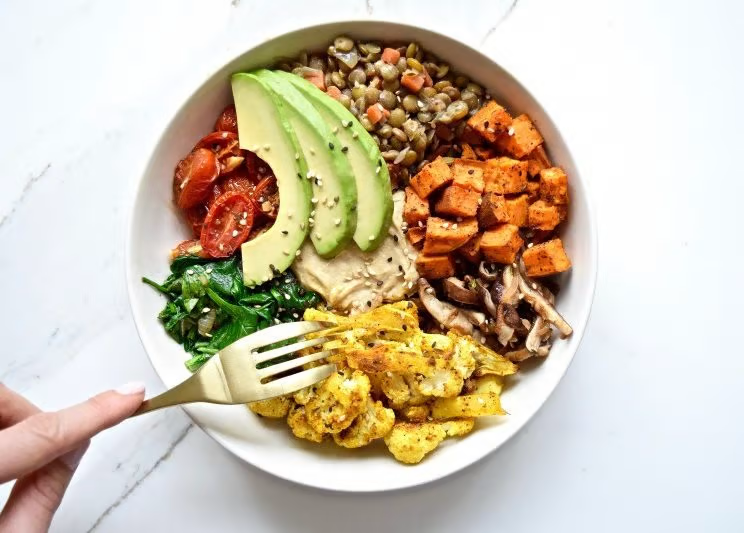
Pairing these with naturally gluten-free meals—grain bowls, veggie-packed stir-fries, or roasted veggies with protein—helps your transition feel intuitive instead of restrictive.
Step Three: Learn Labels Without Feeling Lost
Learning to read labels becomes much easier once you know what to look for. Start by scanning for:
- wheat
- barley
- rye
- malt or malt extract
- wheat flour
- modified food starch (if not from corn or potato)
Statements like “may contain wheat” indicate possible cross-contact, which can matter if you’re highly sensitive.
One Hungryroot reviewer shared:
“Starting a gluten free diet is overwhelming and this really helped take the guesswork and figuring out gluten free meals.”
Building confidence with labels removes a huge layer of stress—and it happens faster than you think.
Step Four: Build a Gluten-Free-Friendly Kitchen That Supports You
A gluten-free lifestyle becomes easier when your kitchen does some of the work for you. Try making gradual updates like:
- restocking staple gluten-free grains
- swapping in gluten-free sauces and condiments
- keeping go-to gluten-free snacks on hand
- designating a gluten-free cutting board or toaster if you’re very sensitive
These updates help reduce cross-contact and make your everyday routine feel more supportive.
Step Five: Take It One Meal at a Time
Rather than overhauling every meal, choose one area to focus on first—breakfast, lunch, or dinner. That might look like:
- a simple gluten-free breakfast rotation
- make-ahead grain bowls
- a few gluten-free dinners each week
These small efforts add up quickly and help prevent decision fatigue, one of the biggest challenges during a gluten-free transition.
Step Six: Notice How Your Body Responds
Listening to your body gives you valuable information during this transition. Many people report feeling improvement—less bloating, fewer gastrointestinal symptoms, or steadier energy—within the first few weeks.
Recent research found that people with non-celiac gluten sensitivity experienced measurable symptom relief when gluten was removed from their diets. This supports why a gradual, mindful transition can make a meaningful difference.
Step Seven: Make Dining Out Less Stressful
Eating out gluten-free becomes much easier once you know what to ask:
- Do sauces or marinades contain wheat or soy sauce?
- Is there a shared fryer?
- Are seasonings gluten-free?
- Is the grill or griddle shared with breaded items?
The goal isn’t perfection—it’s feeling good while confidently advocating for what your body needs.
How Hungryroot Helps Make the Transition Easier
Hungryroot removes so much of the guesswork with personalized gluten-free groceries, ready-to-make meal ideas, and filtering tools that help you shop confidently. For many people, having curated options right at their fingertips makes the early stages of going gluten-free significantly less overwhelming.
If you’re looking for guidance that feels friendly, simple, and personalized, take our quiz to explore gluten-free groceries and meal ideas that fit your routine.