How Food Components (Omega-3s, Polyphenols, and Fiber) Affect Inflammation
How Food Components (Omega-3s, Polyphenols, and Fiber) Affect Inflammation
Your body is always gathering information from the foods you eat. Some ingredients act like puzzle pieces that help everything fit together smoothly, while others can make the picture a bit harder to complete. Omega-3s, polyphenols, and fiber are three nutrients that help your body manage inflammation with more ease. When you understand how these components work behind the scenes, it becomes easier to build meals that support your long-term health and daily comfort.
What Are Polyphenols and Why They Matter for Your Health
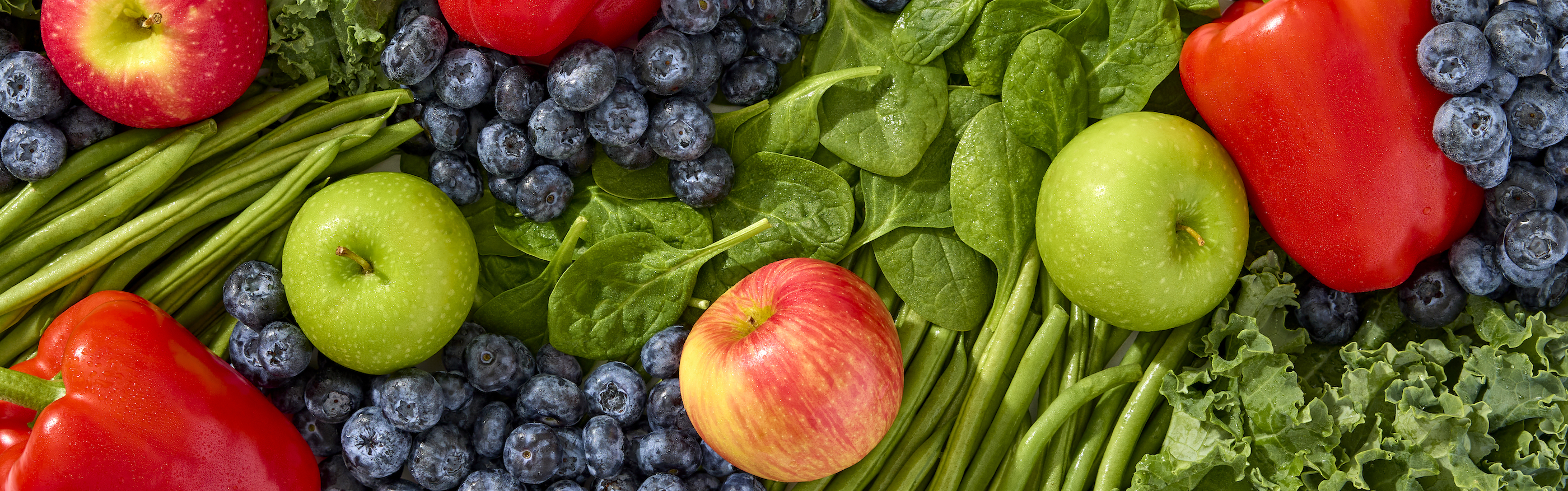
Polyphenols are natural plant compounds that give foods their color, taste, and character. The deep blues in berries, the earthy sharpness of green tea, and the warm glow of turmeric all come from polyphenols.
These compounds act as antioxidants that help reduce oxidative stress. Think of oxidative stress as tiny sparks your body creates through everyday living. Polyphenols help keep those sparks under control so your cells can function comfortably.
There are several main types of polyphenols, including:
- flavonoids (found in berries, leafy greens, dark chocolate)
- phenolic acids (found in coffee, certain fruits, and spices)
- stilbenes (found in grapes and peanuts)
Foods rich in polyphenols support your immune system, gut health, and inflammation response.
Common sources include:
- blueberries, strawberries, raspberries
- spinach, kale, arugula
- green tea
- dark chocolate
- beans and lentils
- nuts and seeds
- spices like turmeric, cinnamon, ginger
Healthy Foods High in Polyphenols and Other Anti-Inflammatory Nutrients
Many polyphenol-rich foods are simple, everyday groceries that bring color and freshness to your meals. Hungryroot’s selection of berries, leafy greens, nuts, seeds, and spices makes it easy to stock your kitchen with these nutrient-rich items.
Berries
Bright, sweet, and flavorful. Add them to smoothies, yogurt bowls, or snack plates for a pop of polyphenols.
Leafy greens
Spinach, arugula, and kale offer antioxidants and both soluble and insoluble fiber. They bring crisp freshness to salads and grain bowls.
Beans and lentils
These foods provide polyphenols and fiber that support digestion and gut health. Add them to soups or roasted vegetable bowls.
Nuts and seeds
Walnuts, almonds, chia, and flaxseeds offer antioxidants and healthy fats. They add crunch and a satisfying texture.
Green tea
Rich in catechins, a polyphenol known for cell support and antioxidant properties.
Dark chocolate
Higher-cocoa varieties offer more polyphenols and a rich, satisfying flavor.
Spices
Turmeric, cinnamon, and ginger add warmth and depth while supporting healthy inflammation responses.
Chef’s Tip: Toast spices in a dry pan before cooking to unlock their natural oils and deepen their flavor.
How Omega-3s, Polyphenols, and Fiber Work Together to Reduce Inflammation
These nutrients influence inflammation through different biological pathways, but they work especially well together.
Omega-3 fatty acids
Omega-3s help reduce inflammatory markers like CRP and IL-6. Salmon, tuna, sardines, walnuts, and flaxseeds are excellent sources. Hungryroot’s quick-cook salmon and ready-to-eat tuna make it simple to add them to your routine.
Polyphenols
Polyphenols support cellular defense pathways and help neutralize oxidative stress.
Fiber
Fiber helps regulate digestion and blood sugar. It also feeds beneficial gut bacteria, helping your body produce short-chain fatty acids like butyrate that support inflammation control.
How they work together
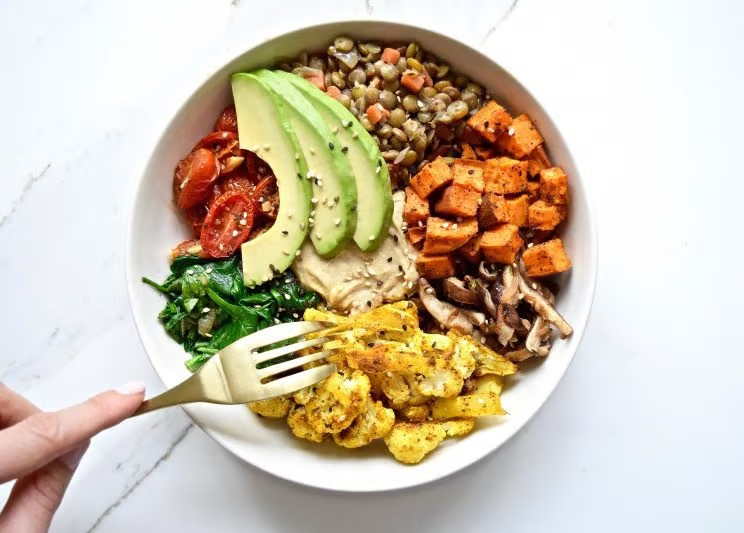
A bowl with salmon, leafy greens, walnuts, berries, and quinoa delivers all three nutrients in one balanced meal.
Diagram Opportunity: Venn diagram showing nutrient synergy.
The Science Behind Polyphenol Antioxidants and Gut Health
Your gut microbiome plays a major role in digestion, immunity, mood, and inflammation. Polyphenols help strengthen the gut lining and support beneficial bacteria, and fiber helps these microbes create short-chain fatty acids that help keep inflammation balanced. When these nutrients appear together in your diet, they support the gut on multiple levels. Recent studies highlight how polyphenols, omega-3s, and fiber work together to promote this effect.
Key Benefits: From Heart Health to Type 2 Diabetes Prevention
Omega-3s, polyphenols, and fiber work together to support:
- reduced inflammatory markers
- improved cholesterol balance
- steadier blood sugar regulation
- better metabolic health
- support for heart health
- type 2 diabetes prevention
- a stronger gut barrier
- consistent energy
Small daily choices can create meaningful results.
Should You Consider Polyphenol Supplements?
Whole foods remain the best source of polyphenols because they contain fiber, vitamins, minerals, and antioxidants that work together. Polyphenol supplements may support specific needs, but absorption rates vary and quality differs widely. They can complement your diet, but they should not replace food-based sources.
If you are considering supplements, choose reputable brands and speak with a healthcare provider.
Simple, Whole-Food Ways to Add More of These Nutrients with Hungryroot
Adding these nutrients does not require major changes. Try:
- berries in oatmeal
- leafy greens in grain bowls
- walnuts or chia pudding as snacks
- salmon or tuna for balanced dinners
- beans in soups or salads
- green tea in the afternoon
- cinnamon or turmeric with roasted vegetables
One customer shared, “I use Hungryroot to help keep to an anti-inflammatory diet and I love all the choices and snacks. I have loved almost every meal I have had.”
Bring It All Together: Building an Inflammation-Smart Grocery List
You do not need a complicated plan to support your body. When you choose colorful produce, fiber-rich ingredients, omega-3s, and spices that nourish your cells, you help your body stay balanced. Healthy eating becomes much easier when your kitchen supports you, not stresses you out.
For a personalized plan designed around your needs, take the Hungryroot quiz here.