Hidden Sources of Gluten You Might Be Overlooking
When Gluten Hides in Plain Sight
If you follow a gluten-free routine, you already know to avoid the obvious culprits like bread, pasta, or baked goods made with wheat flour. But even with your best efforts, gluten can slip into everyday foods you’d never think to question. A sauce, a seasoning packet, a snack mix, or even a restaurant meal that looks completely safe can contain ingredients made from wheat, barley, or rye.
Hidden sources of gluten can make eating gluten-free feel surprisingly difficult. The good news is that once you know where gluten tends to hide, it becomes much easier to shop, cook, and dine out without stress.
Why Gluten Shows Up in Unexpected Places
Gluten appears in many processed foods because it helps recipes bind, thicken, or hold texture. Manufacturers often use ingredients like wheat flour, barley malt, or gluten-containing flavor enhancers in packaged foods that don’t seem like they should have any gluten at all. Some products also pick up gluten through cross-contact during processing, especially when they share equipment with wheat-based foods.
Labels that say “may contain wheat” can feel vague, but they’re meant to flag situations where cross-contact with gluten is possible. Understanding the difference between intentional ingredients and accidental contamination helps bring clarity to your grocery routine.
Pantry Staples Where Gluten Commonly Sneaks In
Some pantry staples consistently rank among the most surprising foods that contain gluten. A few to watch out for include:
- soy sauce, teriyaki sauce, and other marinades
- bouillon cubes, soup bases, and gravy packets
- pre-seasoned rice or grain mixes
- spice blends and seasoning packets
- flavored oatmeal packets
- snack mixes made with barley malt
- packaged sauces or heat-and-eat meals thickened with wheat flour
A chef’s tip: choose gluten-free versions of sauces and mixes whenever possible. They often use rice flour, cornstarch, or tapioca starch and make weeknight cooking much simpler.
Everyday Foods That May Contain Gluten Without Saying So
Some foods appear naturally gluten-free but pick up gluten through hidden ingredients, coatings, or cooking methods. A few examples include:
- flavored potato chips or crackers
- French fries cooked in shared fryers
- packaged deli meats or plant-based meat alternatives
- ice cream with cookie or pastry mix-ins
- granolas or energy bars
- seasoned nuts or trail mixes
One Hungryroot customer described how helpful clarity can be: “Hungryroot has been so convenient for me and a no brainer. Starting a gluten free diet is overwhelming and this really helped take the guesswork and figuring out gluten free meals.”
Understanding these less obvious sources helps you shop confidently and enjoy your meals without second-guessing every bite.
Ingredients and Additives Worth a Second Look
Some ingredients sound harmless but come from gluten-containing sources. When reading labels, pay extra attention to:
- malt or malt extract
- modified food starch unless labeled from corn or potato
- natural flavors made from barley or wheat
- wheat protein, wheat starch, or wheat flour
- hydrolyzed wheat protein
Labels can change as brands update suppliers, so even familiar products deserve a quick glance from time to time. Choosing items with clear gluten-free labeling helps you avoid surprises.
Dining Out: When Gluten Appears in Restaurant Meals
Dining out gluten-free can feel tricky because menus rarely list every ingredient. Even meals that seem safe may contain gluten due to sauces, coatings, or cooking surfaces. Common restaurant sources of gluten include:
- shared fryers used for breaded foods
- soups or gravies thickened with roux
- salad dressings containing soy sauce
- pan sauces made with flour
- seasonings that contain barley malt
- sushi prepared on surfaces with crumbs or sauces
Asking how something is prepared or whether it shares a grill or fryer can make a big difference.
Why Cross-Contact Matters More Than You Think
Even when a food is naturally gluten-free, it can still come into contact with gluten in shared kitchens. Cutting boards, toasters, baking sheets, and fryer oil can all contribute to cross-contact with gluten. This matters most for people with celiac disease or anyone who reacts to even trace amounts of gluten.
A 2022 study on gluten contamination found that gluten transfer in shared cooking environments can occur more easily than many people realize, especially when cooking tools or prep surfaces are not thoroughly cleaned. This reinforces why awareness of cross-contact helps support a gluten-free lifestyle with fewer unexpected symptoms.
Smart Ways to Avoid Hidden Gluten When Shopping
Avoiding hidden gluten becomes much easier once you understand the common ingredients and labeling cues. A few helpful strategies include:
- checking for wheat, barley, malt, or vague starches on ingredient lists
- choosing packaged products with gluten-free labeling
- being cautious with items labeled “may contain wheat”
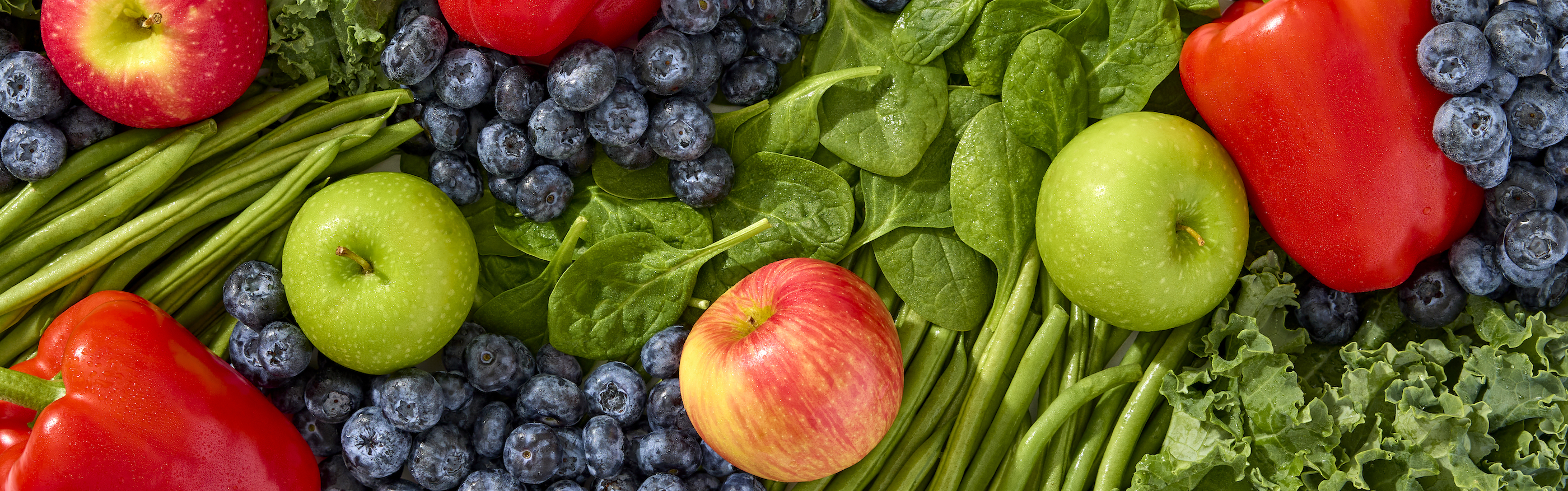
- focusing on naturally gluten-free foods like fruits, vegetables, beans, rice, meat, and dairy
Using a grocery service with dietary filters can help you shop quickly without scanning every label.
How Hungryroot Makes Gluten-Free Eating Easier
Gluten-free eating becomes simpler when your groceries are curated for you. Hungryroot’s personalized grocery filters and gluten-free ingredients help you build meals that fit your needs without constant label checking. You can explore new gluten-free snacks, stock up on pantry staples, or rely on ready-to-heat dishes designed to make weeknights easier.
When the shopping is streamlined, staying gluten-free feels far more manageable.
Ready to Shop Gluten-Free with Confidence?
If you want gluten-free groceries and meal ideas tailored to your needs, try the quick Hungryroot quiz to get personalized recommendations.