Anti-Inflammatory Diet vs. Mediterranean Diet: What’s the Difference?
Anti-Inflammatory Diet vs. Mediterranean Diet: What’s the Difference?
When your body feels inflamed, it often communicates in small but persistent ways. Maybe your digestion feels off, your joints feel stiff, or your energy dips halfway through the day. Inflammation is your body’s internal alarm system. When it stays activated too long, it can begin affecting everything from your mood to your digestion. Food plays a major role in calming that alarm, which is why two eating styles have become especially popular for reducing inflammation and boosting long-term wellness: the anti-inflammatory diet and the Mediterranean diet.
These two approaches are often grouped together because both highlight whole, nutrient-dense foods. Still, each one has its own focus, purpose, and rhythm. Understanding how they compare can help you choose the eating pattern that feels natural, energizing, and sustainable for your lifestyle.
Let’s explore both diets, how they support inflammation management, and how Hungryroot can help you follow either one with simple groceries and easy, nourishing meal ideas.
What Is the Anti-Inflammatory Diet and How Does It Work?
The anti-inflammatory diet emphasizes foods that support a calmer, more balanced inflammatory response. The intention is not to restrict entire categories of food. Instead, the focus is on ingredients that help soothe irritation, support gut health, and deliver powerful antioxidants and anti-inflammatory nutrients.
Common Anti-Inflammatory Diet Foods
This eating style centers around:
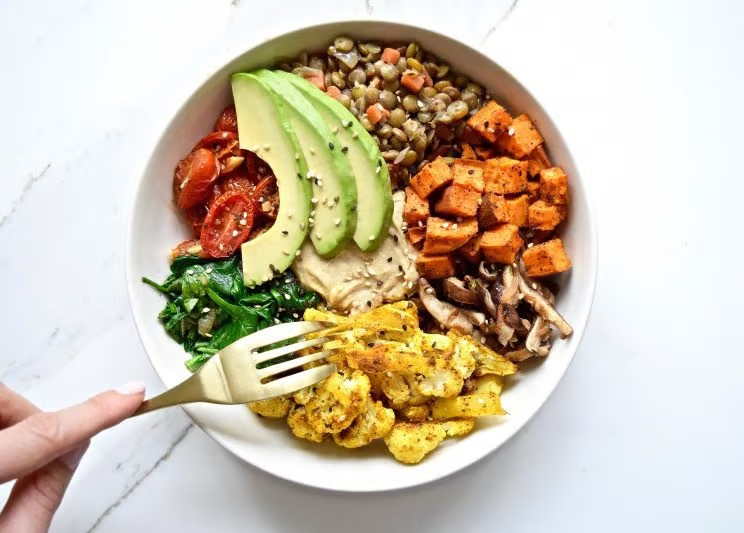
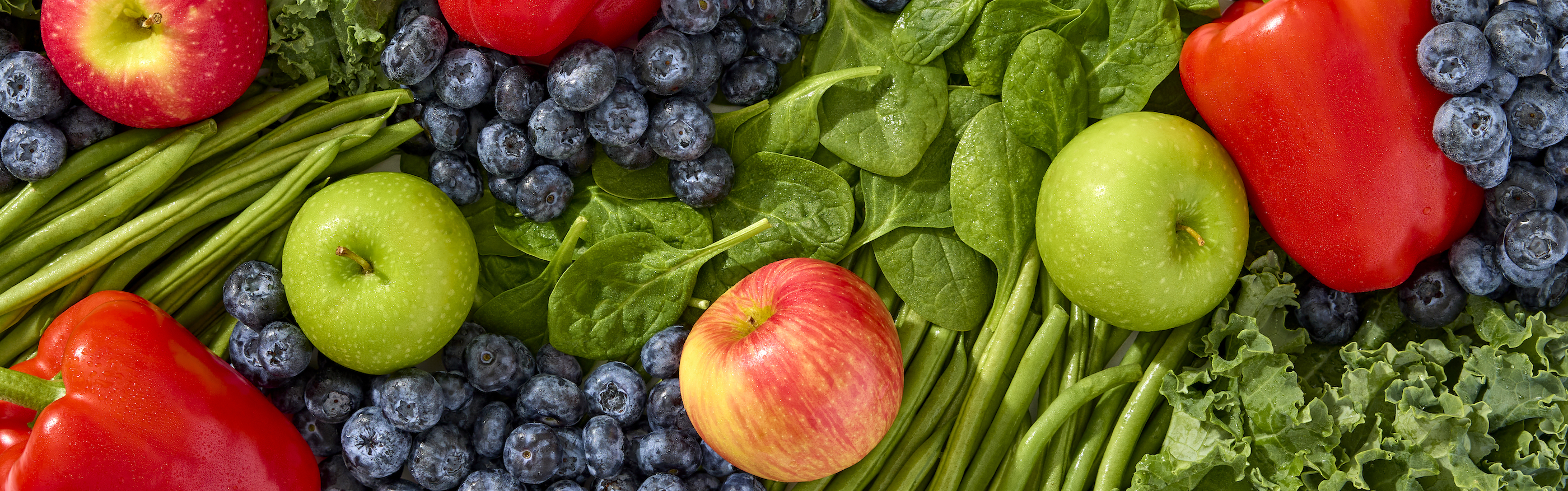
- Colorful fruits and vegetables
- Cruciferous vegetables like broccoli, cauliflower, and Brussels sprouts
- Fatty fish rich in omega-3 fatty acids
- Whole grains such as oats, quinoa, and brown rice
- Nuts, seeds, and legumes
- Herbs and spices like turmeric, ginger, and rosemary
These foods help neutralize free radicals, which are unstable molecules that can worsen inflammation.
Recent research strengthens this further and found that anti-inflammatory dietary patterns significantly reduce biomarkers such as CRP and IL-6, two of the most commonly measured indicators of chronic inflammation.
How the Mediterranean Diet Compares to the Anti-Inflammatory Approach
The Mediterranean diet reflects the traditional eating patterns of regions near the Mediterranean Sea. It is known for supporting heart health, digestion, and long-term vitality. Instead of following strict rules, this approach encourages home cooking, enjoying fresh produce, and creating balanced meals built around wholesome, naturally flavorful ingredients.
While the Mediterranean diet was not designed specifically to target inflammation, many of its staples fit seamlessly into an anti-inflammatory lifestyle. A 2025 analysis found that Mediterranean-style eating patterns significantly reduced cardiovascular disease risk factors and inflammatory markers, reinforcing its benefits beyond heart health.
Mediterranean Diet Staples That Reduce Inflammation
- Fatty fish
- Vegetables of all colors
- Olive oil
- Legumes and beans
- Whole grains
- Nuts and seeds
These foods work together to support gut health, balance blood sugar, and provide lasting energy.
Key Similarities: Whole Foods, Healthy Fats, and Omega-3s
Both diets center around whole foods, which are ingredients that are as close to their natural form as possible, such as produce, whole grains, legumes, nuts, seeds, and fresh proteins. Shared principles include:
- Fruits and vegetables at most meals
- Healthy fats such as olive oil, avocado, nuts, and seeds
- Whole grains
- Fiber-rich plant foods
- Minimal processed foods
With these overlapping elements, both diets naturally increase intake of antioxidants, omega-3 fatty acids, and fiber. These nutrients help regulate inflammation and support long-term wellness.
Where They Differ: Lifestyle Habits and Long-Term Goals
Despite shared ingredients, the two diets serve slightly different purposes.
Anti-Inflammatory Diet Nuances
This eating style is more targeted. People often choose it to support symptoms like bloating, joint discomfort, fatigue, or chronic stress. It encourages reducing inflammatory triggers such as excess sugar, refined carbohydrates, and heavily processed snacks. It can feel more intentional day to day.
Mediterranean Diet Nuances
The Mediterranean diet is broader and more lifestyle oriented. It focuses on enjoyment of food, shared meals, simple cooking, and regular movement. It supports long-term heart health and balanced living.
Choosing What Aligns With Your Needs
If you want a clearer structure for reducing inflammation-related symptoms, the anti-inflammatory diet may feel helpful. If you prefer a flexible, joyful, long-term pattern, the Mediterranean diet may feel easier to maintain.
Common Misconception: Many people assume the Mediterranean diet encourages unlimited pasta and bread. In reality, it centers on vegetables, seafood, legumes, healthy fats, and whole grains.
Top Foods That Help Fight Chronic Inflammation
Regardless of which eating style you choose, the following foods consistently support inflammation management:
- Fatty fish like salmon and trout
- Cruciferous vegetables
- Leafy greens
- Berries
- Citrus fruits
- Olive oil
- Whole grains
- Nuts and seeds
- Anti-inflammatory spices like turmeric and ginger
Many Hungryroot customers say having these ingredients delivered weekly helps them stay consistent. One user shared, “I use Hungryroot to help keep to an anti-inflammatory diet and I love all the choices, all the snacks and drinks. I have loved almost every meal I have had.”
Choosing the Right Eating Style for You
Each person responds differently to certain foods and habits. Some people thrive with the structure of an anti-inflammatory approach. Others enjoy the Mediterranean diet’s flexibility and focus on balanced living. What matters most is choosing meals that support your energy, digestion, and long-term health.
Hungryroot makes both eating styles simple. Our grocery selection includes vibrant produce, cruciferous vegetables, whole grains, herbs, healthy fats, simple sauces, nuts, seeds, and omega-3 rich proteins. You can easily build meals that support an anti-inflammatory lifestyle, a Mediterranean-style routine, or a blend of both. As you shop, your recommendations become more personalized, helping you build meals that match your goals with very little planning.
If you want to explore groceries that can help reduce inflammation and support steady energy, take our personalized quiz. It will help you discover easy, nourishing foods that make you feel your best.