What to Eat While Taking Ozempic: Nutritionist Tips
Eating can feel different once you start Ozempic. Appetite may drop, fullness can arrive sooner than expected, and foods you once relied on may suddenly feel too heavy. If you are figuring out what to eat on Ozempic, the goal is not to follow a rigid Ozempic diet plan. It is to choose foods that support comfort, steady energy, and satisfaction as your body adjusts.
These nutritionist-backed tips focus on flexible food choices that work with changing appetite and digestion. They are meant to evolve over time, not lock you into a fixed meal plan.
Why Foods May Trigger or Worsen Side Effects
Ozempic, a form of semaglutide, works in part by slowing digestion and influencing appetite signals. Because food stays in the stomach longer, certain foods can feel more intense than they used to. Large portions, very rich meals, and high-fat foods are more likely to trigger nausea or discomfort, especially in the early weeks.
Eating habits on Ozempic often shift naturally toward eating smaller portions and spacing meals more intentionally. This adjustment supports appetite regulation and weight management, but it also means food choices may need to change.
A recent analysis found nausea and digestive discomfort to be among the most commonly reported experiences, helping explain why lighter meals often feel easier to tolerate while taking semaglutide.
Foods That Work Well With Ozempic
Foods that work well with Ozempic are usually simple, balanced, and easy to digest. The focus is not restriction, but comfort and consistency.
Ozempic-Friendly Foods to Build Meals Around
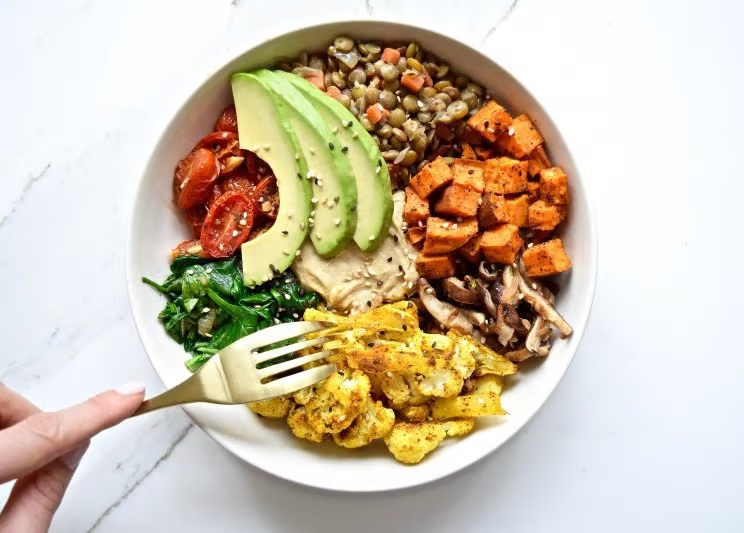
- Lean proteins such as eggs, poultry, tofu, beans, or yogurt
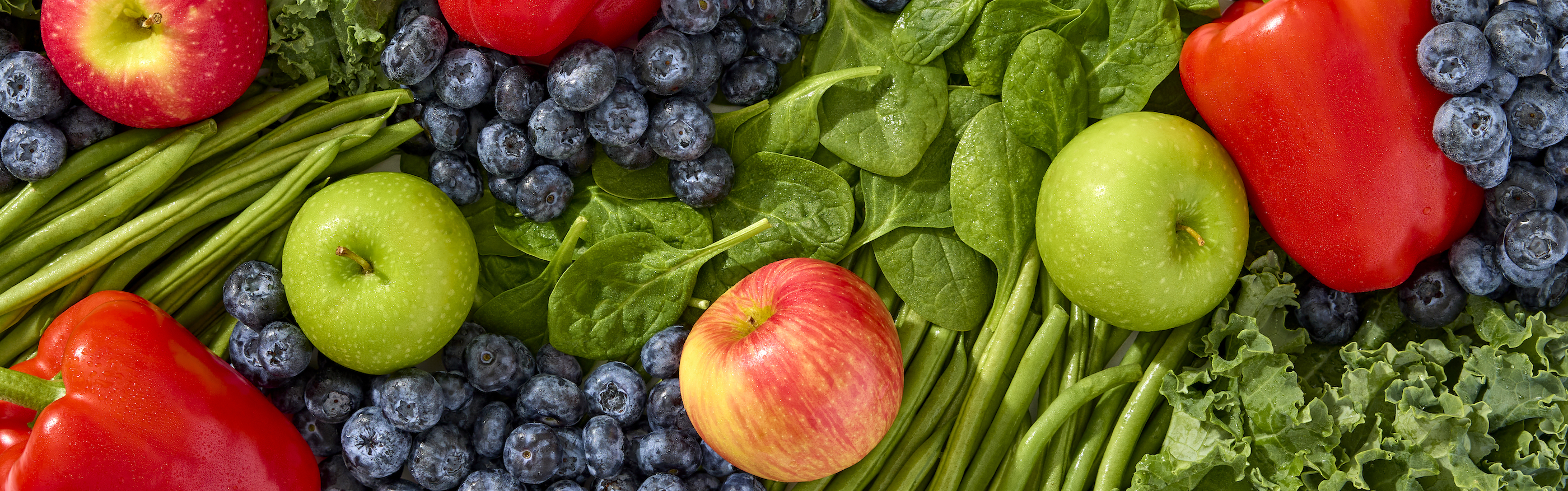
- Fiber-rich fruits and vegetables in comfortable portions
- Whole grains like oats, quinoa, or brown rice, served smaller
- Healthy fats such as olive oil, avocado, nuts, or seeds, used lightly
These Ozempic-friendly foods support balanced eating on Ozempic and can help stabilize appetite without feeling overwhelming.
What a Balanced Plate Can Look Like
Balanced eating on Ozempic often means starting with protein, then adding fiber and small amounts of carbohydrates or healthy fats. This approach supports a healthy diet while staying flexible. Portions may look different day to day, and that is expected.
Foods to Avoid on GLP-1
Foods to avoid on GLP-1 medications are not necessarily foods to eliminate forever. Certain foods, especially greasy or fried meals, very rich dishes, and oversized portions, are more likely to worsen nausea or bloating.
Research suggests that gastrointestinal side effects such as nausea are common among people taking GLP-1 medications, reinforcing why lighter meals and moderate portions often feel more comfortable. Rather than strict avoidance, many people find it helpful to notice patterns and adjust portion size or frequency when something consistently causes discomfort.
Other Tips to Reduce GI Upset While Taking GLPs
Food choice is only part of the picture. How you eat can matter just as much.
- Eat smaller portions and pause between bites
- Avoid rushing through meals
- Drink fluids between meals rather than during
- Stop eating when appetite fades, even if food remains
These habits can make it easier to eat while taking Ozempic without added discomfort and support steadier digestion throughout the day.
Chef’s Tip
Hungryroot chefs often recommend keeping meals simple and flexible while taking Ozempic. Starting with a protein, adding fiber-rich produce, and finishing with a small portion of whole grains or healthy fats makes it easier to build meals that feel satisfying without feeling heavy. Adjust portions as your appetite changes, and do not worry about eating the same way every day.
Groceries That Make Eating on Ozempic Easier
Having the right groceries on hand can remove much of the friction around eating. GLP-1-friendly groceries tend to be simple, versatile, and easy to portion. Many people look for the best groceries for Ozempic users that can be mixed and matched based on appetite.
Weight-loss grocery delivery can be especially helpful during busy weeks or periods of low appetite. It allows flexibility without extra store trips or food waste. One Hungryroot customer shared: “Hungryroot gives you the best choices, good recipes, on-time delivery, and wholesome foods. This is helping my blood pressure, sugar, and weight stay under control!”
Weight Management Without Rigidity
Ozempic is often part of a broader weight loss program or medical weight loss program. Food choices tend to work best when they support long-term habits rather than short-term rules. Weight loss support services often emphasize sustainability for this reason.
Whether your focus is GLP-1 weight loss or overall weight management, flexibility matters. Eating patterns can shift over time, and that does not mean something is going wrong.
Conclusion: Eating That Adapts With You
Learning what to eat on Ozempic is an ongoing process. Appetite, tolerance, and preferences can evolve, and your meals can evolve with them. Balanced foods, smaller portions, and supportive eating habits can help maintain comfort and steady energy.
There is no single right way to eat while taking semaglutide. The most supportive approach is one that fits your body and your life right now.