The Link Between Stress and Inflammation
Your gut and brain talk to each other far more than most people realize. You might feel it during stressful moments when your stomach tightens, your appetite changes, or your digestion feels off for reasons you cannot quite explain. These signals are part of the gut brain connection, a steady conversation happening throughout your day.
Chronic stress can interrupt that conversation, affecting digestion, immunity, and inflammation. You do not need a science background to understand it. You only need a sense of how stress shifts your gut’s rhythm and how simple foods can help restore balance. With comforting, nourishing ingredients from Hungryroot, caring for your gut becomes a gentle way to support calmer moods and steadier energy.
What Is the Gut-Brain Connection?
The gut brain connection is the communication system between your digestive tract and your brain. Think of it as a constant stream of messages moving both directions. Your gut affects your mood, appetite, and energy, while your brain influences digestion and cravings.
When this connection stays steady, you often feel more balanced. When stress builds, the signals may feel louder or more irregular, creating digestive discomfort or fatigue. Because so much of your immune system lives in your gut, stress can also influence how your body handles everyday immune responses.
How Stress Affects Gut Health and Inflammation
Stress can shift how your gut behaves. It may slow digestion, speed it up, or make your stomach feel tense. Stress also affects gut motility, appetite, and how your body manages inflammation, which may leave you feeling bloated, low on energy, or out of your usual rhythm.
Here is a simple takeaway from current research: chronic stress can activate inflammation pathways throughout the gut and immune system. You do not need to remember the details, only that stress and inflammation often rise together.
The Role of the Gut Microbiome in Mental and Digestive Health
Your gut microbiome is a community of tiny organisms that support digestion, mood, nutrient absorption, and daily energy. When this community stays diverse and well-fed, digestion usually feels smoother and your mood feels more grounded. Balanced gut bacteria often support healthier inflammatory responses as well.
Researchers have found that stress can affect the way the microbiome communicates with the body’s immune system and inflammation pathways. Again, you do not need the details. Just know that nurturing your microbiome supports calmer digestion and steadier moods.
Can Stress Disrupt Gut Bacteria Balance?
Stress can influence the balance of bacteria in your gut. It may reduce helpful bacteria, increase gut sensitivity, or affect your appetite. Many people notice this during busy or emotional weeks when digestion feels unpredictable.
Your gut bacteria thrive when you feed them fiber-rich, colorful foods. These nourishing ingredients help maintain balance and help your body respond to stress more gently.
Recent research suggests that stress may shift microbiome communities and influence immune responses linked to inflammation. You do not need to understand the mechanisms to benefit from the insight.
How Probiotics and Gut-Healthy Foods Support Inflammation Control
Probiotic and fiber-rich foods help strengthen the gut brain connection. They nourish beneficial bacteria, support smooth digestion, and may help your body regulate inflammation more effectively.
Here are simple, grocery-friendly foods that support both gut balance and day-to-day calm:
- Yogurt or plant-based probiotic drinks
- Fermented foods in small amounts
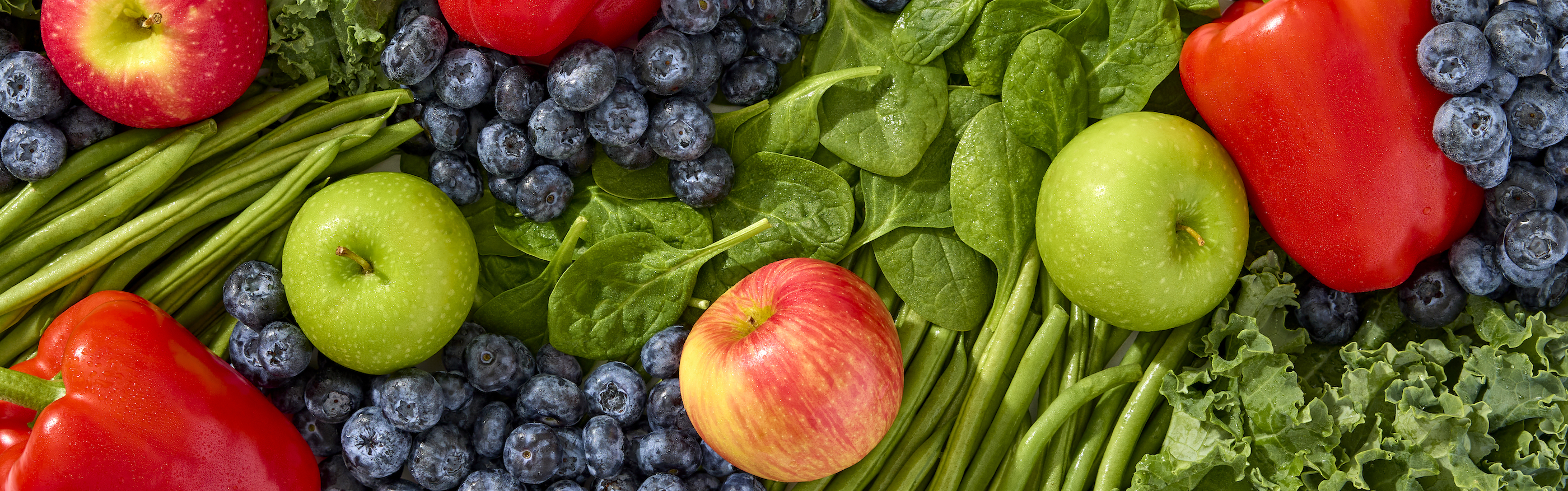
- Berries, apples, spinach, and oats
- Chickpeas, lentils, or black beans
- Avocado, nuts, and seeds
- Ginger and turmeric
- Whole grains like quinoa or brown rice
Dietitian Insight:
Pair probiotics with fiber-rich “prebiotic” foods to help beneficial bacteria grow and thrive.
Simple Ways to Nurture Gut Health Through Everyday Meals
Caring for your gut does not need to be complicated. A few simple habits can support calmer digestion, steadier energy, and a healthier inflammation response during stressful weeks.
Try adding:
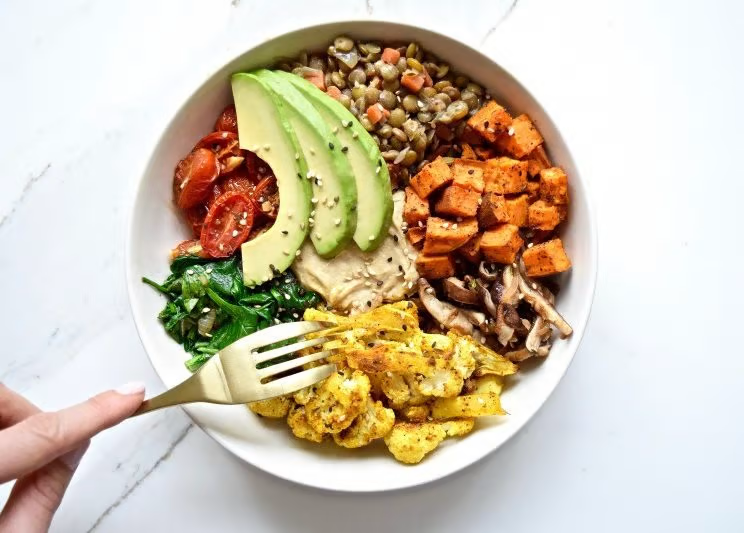
- A bowl with roasted veggies, chickpeas, and greens
- Oatmeal topped with berries and chia
- A smoothie with yogurt, spinach, and ginger
- A quick stir-fry with vegetables and whole grains
- Fresh fruit paired with nuts or seeds
Meals with fiber, healthy fats, and colorful produce can help your gut, and in turn your mind, settle into a calmer, more predictable rhythm.
Making Gut-Healthy Eating Effortless with Hungryroot
Gut-healthy eating becomes simpler when your kitchen is stocked with the right groceries. Hungryroot makes it easy to keep helpful ingredients available, from berries and greens to plant-based yogurts, chickpeas, ginger shots, and ready-to-use whole grains.
Many Hungryroot users say the convenience reduces the stress around planning and prepping balanced meals. As one customer shared, “Love Hungryroot! I’ve had a lot of gut issues and I haven’t had them anymore since using this. I get the anti inflammatory meals.”
With fresh groceries delivered weekly, supporting your gut, mood, and energy becomes a calming and natural part of your daily routine.
Ready to support your gut and feel calmer and more energized each day?
Take our personalized quiz to discover the anti-inflammatory groceries and meal picks that fit your taste and routine.