GLP-1 Diet Mistakes to Avoid
GLP-1 Diet Mistakes to Avoid
Ozempic side effects are a common concern for people using GLP-1 medications. Nausea, stomach discomfort, and appetite changes can feel frustrating, especially when they show up without warning.
What often gets overlooked is how strongly eating habits influence these experiences. In many cases, side effects may be shaped by how meals are timed, sized, and built. Understanding a few common diet mistakes can help reduce discomfort and make daily eating feel more manageable.
Common Ozempic Side Effects and What Triggers Them
Many people experience digestive side effects when starting or adjusting a GLP-1 medication. Ozempic digestion issues may include nausea, stomach fullness, or general discomfort after eating. These side effects are common and are often connected to slower digestion and appetite changes.
Side effects like nausea tend to show up when meals are large, rushed, or very rich. Small adjustments to how meals are structured can make a noticeable difference over time.
Mistake #1: Eating Too Fast or Too Much at Once
Ozempic appetite changes often mean fullness arrives sooner than expected. When meals are eaten quickly or portions are too large, digestion can feel uncomfortable.
Slowing down and serving smaller portions allows digestion to keep pace. This shift can reduce pressure and help meals feel easier to tolerate without changing what foods you enjoy.
Mistake #2: Skipping Meals or Waiting Too Long to Eat
Some people skip meals because appetite feels low. Others wait too long between meals in an effort to accelerate progress. Both patterns can backfire.
Skipping meals while using a GLP-1 medication may contribute to rapid weight loss that feels draining rather than supportive. Long gaps between meals can also increase nausea or fatigue, even when appetite is reduced.
Mistake #3: Leaning Too Hard on Heavy or High-Fat Foods
High-fat meals can feel especially heavy when digestion slows. Large portions of fried or very rich foods may cause severe stomach discomfort for some people.
This does not mean fat needs to be avoided entirely. Smaller amounts of healthy fats often feel more manageable and still support satisfaction. Paying attention to portion size and texture can help reduce negative side effects.
When Side Effects Persist or Feel More Intense
While many side effects improve with time and small adjustments, some experiences last longer. When side effects persist or feel more intense, they are considered less common and may need closer attention.
Significant side effects should not be ignored, especially if they interfere with eating or daily routines.
Understanding Serious and Long-Term Side Effects
Serious side effects of Ozempic are uncommon, but it is still important to understand the distinction. Severe side effects may include ongoing severe stomach pain or symptoms that feel different from typical digestive discomfort.
Long-term side effects of Ozempic continue to be studied. People with certain health conditions may experience side effects differently, which is why individual guidance matters.
When to Talk With a Health Care Provider
If side effects feel severe, continue to worsen, or do not improve with dietary changes, it may be time to talk with a health care provider. A health care professional can help determine whether symptoms relate to food choices, dosage timing, or underlying health conditions.
This step is about support, not alarm.
How to Manage or Avoid Ozempic Side Effects Through Food
Many people find that managing GLP-1 side effects starts with everyday food choices. Eating smaller meals, choosing gentler foods, and keeping meal timing consistent can help reduce discomfort.
These approaches can also support GLP-1 weight loss in a way that feels steadier and easier to maintain.
Nutritionist’s Tip: Build Meals Around Comfort
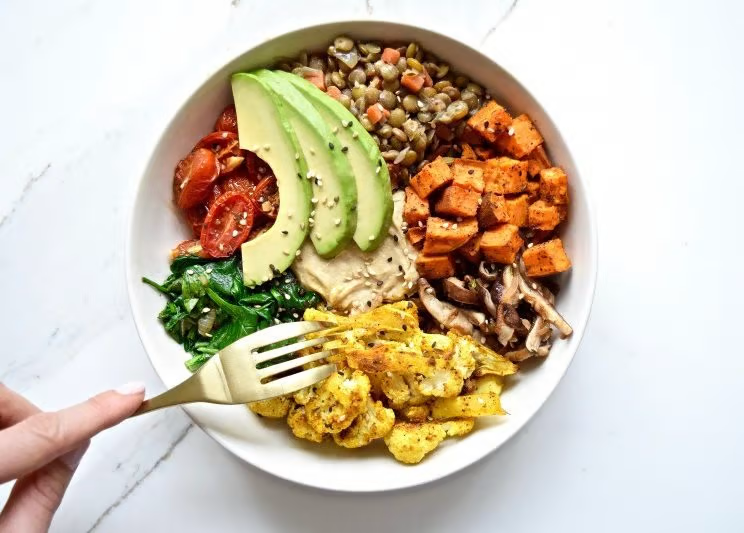
When appetite is low, softer textures and warm foods often feel easier to tolerate. Soups, bowls, and simple plates can support digestion without feeling overwhelming.
Grocery Support That Reduces Friction
Access to GLP-1 friendly groceries can make these adjustments easier. Simple, familiar ingredients reduce the mental load around meals.
Many people following an Ozempic diet plan benefit from choosing best groceries for Ozempic users that support smaller, more frequent meals.
Consistency Matters More Than Perfection
For some, a weight-loss grocery delivery service helps remove barriers to consistent eating. Others pair groceries with weight loss support services or a medical weight loss program, while some prefer a flexible weight loss program built around food alone.
What matters most is ease. One Hungryroot customer shared, “The great selection of healthy foods that I can try! My weight loss journey has NEVER been this easy and delicious! I fully recommend!”
Research-Informed Perspective on GLP-1 Side Effects
Research has found that gastrointestinal effects are among the most frequently reported responses to semaglutide, particularly during early use or dose changes. These digestive side effects are commonly linked to slowed digestion rather than lasting harm.
Key Takeaways: Avoiding Diet Mistakes on GLP-1s
Ozempic side effects can feel discouraging, but many are influenced by everyday eating habits. Avoiding common diet mistakes, listening to appetite cues, and choosing supportive foods can reduce discomfort over time. Small, thoughtful adjustments often make the biggest difference.
Ready to make busy weeks easier?
Take our quick quiz to discover GLP-1 friendly groceries and simple meal ideas tailored to your preferences.